
When Max Verstappen arrives at the Nürburgring next week, he will bring with him one of the most impressive reputations in modern motorsport. Multiple Formula 1 world championships, countless Grand Prix victories, and a racing style built on precision, speed and relentless control.
But the Nordschleife is different
At the 24 Hours of Nürburgring, Verstappen will not be judged by qualifying laps, DRS zones or perfectly calculated Grand Prix strategy. He will be judged by traffic, darkness, changing weather, patience, survival and the ability to share one car with three other drivers for an entire day and night.
That is what makes his upcoming Nürburgring 24 Hours appearance so fascinating.
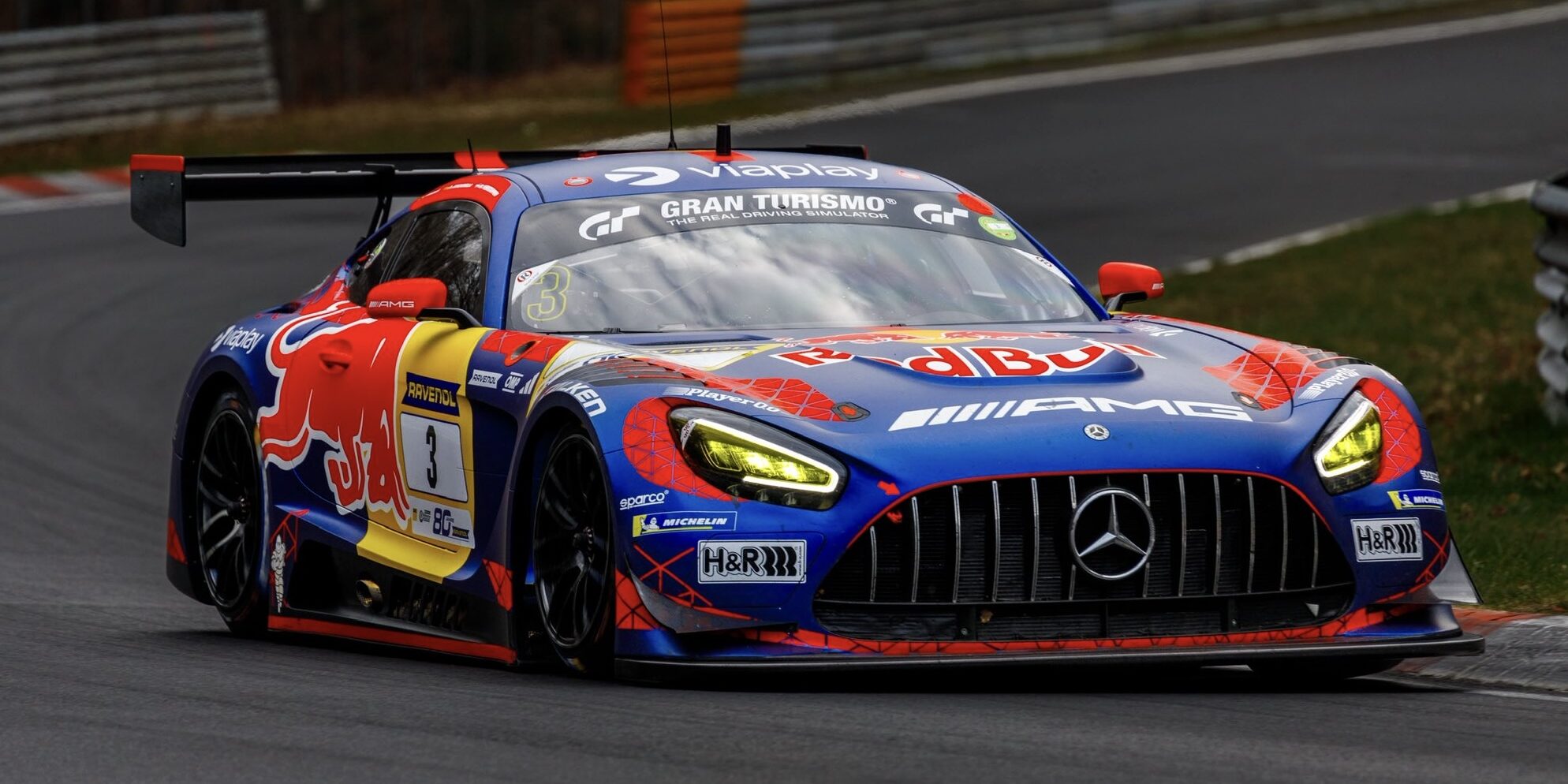
Verstappen will compete in the Mercedes-AMG GT3 of Mercedes-AMG Team Verstappen Racing, alongside Lucas Auer, Jules Gounon and Daniel Juncadella. The race takes place from 14 to 17 May 2026, with Verstappen making his debut in one of endurance racing’s most demanding events.
A Circuit That Rewards Respect
The Nürburgring Nordschleife is not simply a long circuit. It is a place with its own rhythm, character and danger. Combined with the Grand Prix track, the Nürburgring 24 Hours layout stretches over more than 25 kilometres, making each lap a journey rather than a routine.
For Formula 1 drivers, tracks are usually controlled environments. Run-off areas, predictable grip levels and carefully managed race procedures are part of the modern Grand Prix experience. The Nordschleife offers something more old-school. It is narrow, fast, uneven and constantly changing.
A driver can start a lap on a dry section and arrive minutes later in rain or fog. Slower traffic appears suddenly. The road rises, falls and twists through the Eifel forest. At night, even the most experienced drivers rely on instinct, memory and trust in the car.
This is why the Nordschleife has earned its nickname: the Green Hell.
Verstappen’s Biggest Challenge May Not Be Speed
Nobody doubts Verstappen’s speed. That is not the question.
The real question is how he manages everything around the speed.
In Formula 1, Verstappen is the centre of the operation. The car is built around one driver’s weekend, one qualifying session and one race result. At the Nürburgring 24 Hours, the philosophy is completely different. The car must suit four drivers. The strategy must survive 24 hours. The fastest lap often matters less than keeping the car clean, managing risks and avoiding unnecessary damage.
A GT3 car also requires a different approach from an F1 car. It is heavier, less aerodynamically sensitive and built for endurance rather than pure single-lap performance. The driving is still aggressive, but the priorities change. Brakes, tyres, traffic management and mechanical sympathy become part of the performance.
For Verstappen, the challenge is not proving that he can drive fast. It is proving that he can apply his talent in a race where patience can be just as valuable as pace.
A 161-Car Storm
This year’s race is expected to be one of the busiest editions in years. Reports indicate a 161-car field, creating one of the largest Nürburgring 24 Hours grids in more than a decade.
That detail matters.
A crowded Nürburgring is not just spectacular; it is chaotic. GT3 cars fighting for overall victory will share the circuit with cars from many other classes. That means constant overtaking, closing speeds that vary dramatically and very little time to relax.
A perfect stint can be ruined by one badly timed Code 60 zone, one misunderstanding with a slower car or one small touch in the wrong place. The winning team will need speed, but also discipline.
For Verstappen Racing, the line-up is strong. Auer, Gounon and Juncadella bring major GT and endurance experience, giving Verstappen a serious support structure for his first attempt at the race.
The Benchmark Is Brutal
Verstappen’s presence will attract global attention, but the Nürburgring 24 Hours is not a celebrity appearance. The opposition is serious.
The top class features factory-supported efforts and experienced Nordschleife specialists from brands including BMW, Porsche, Audi, Aston Martin, Ferrari, Ford, Lamborghini, McLaren and Mercedes-AMG.
Many of these teams have spent years learning exactly what it takes to win here. They know when to attack, when to wait, where to take risks and where to accept losing a few tenths. That local experience is difficult to replace, even for a driver of Verstappen’s calibre.
The Nürburgring does not hand out results based on reputation. It rewards those who understand its details.
More Than a Side Quest
For Verstappen, this race also says something about his wider view of motorsport. His participation is not just a promotional outing between Formula 1 commitments. Verstappen Racing has been building a broader endurance programme, supported by Red Bull, with the Nürburgring forming an important part of that long-term direction.
That makes this weekend feel bigger than a one-off.
It shows a driver who still wants to chase pure racing experiences outside the highly controlled world of Formula 1. The Nürburgring 24 Hours is raw, unpredictable and deeply respected by drivers and fans. It is the kind of race where a world champion can still feel like a student.
And that may be exactly the appeal.
The Green Hell Will Decide
When the lights go out, Verstappen’s Formula 1 record will not protect him from the Nordschleife. His titles will not clear the traffic. His reputation will not stop the rain. His speed alone will not guarantee a result.
But that is precisely why this race is so compelling.
The 24 Hours of Nürburgring will ask different questions of Max Verstappen than Formula 1 ever does. Can he adapt to the rhythm of endurance racing? Can he balance aggression with patience? Can he help bring the car home after 24 hours of chaos?
Next week, the Green Hell gets its answer.