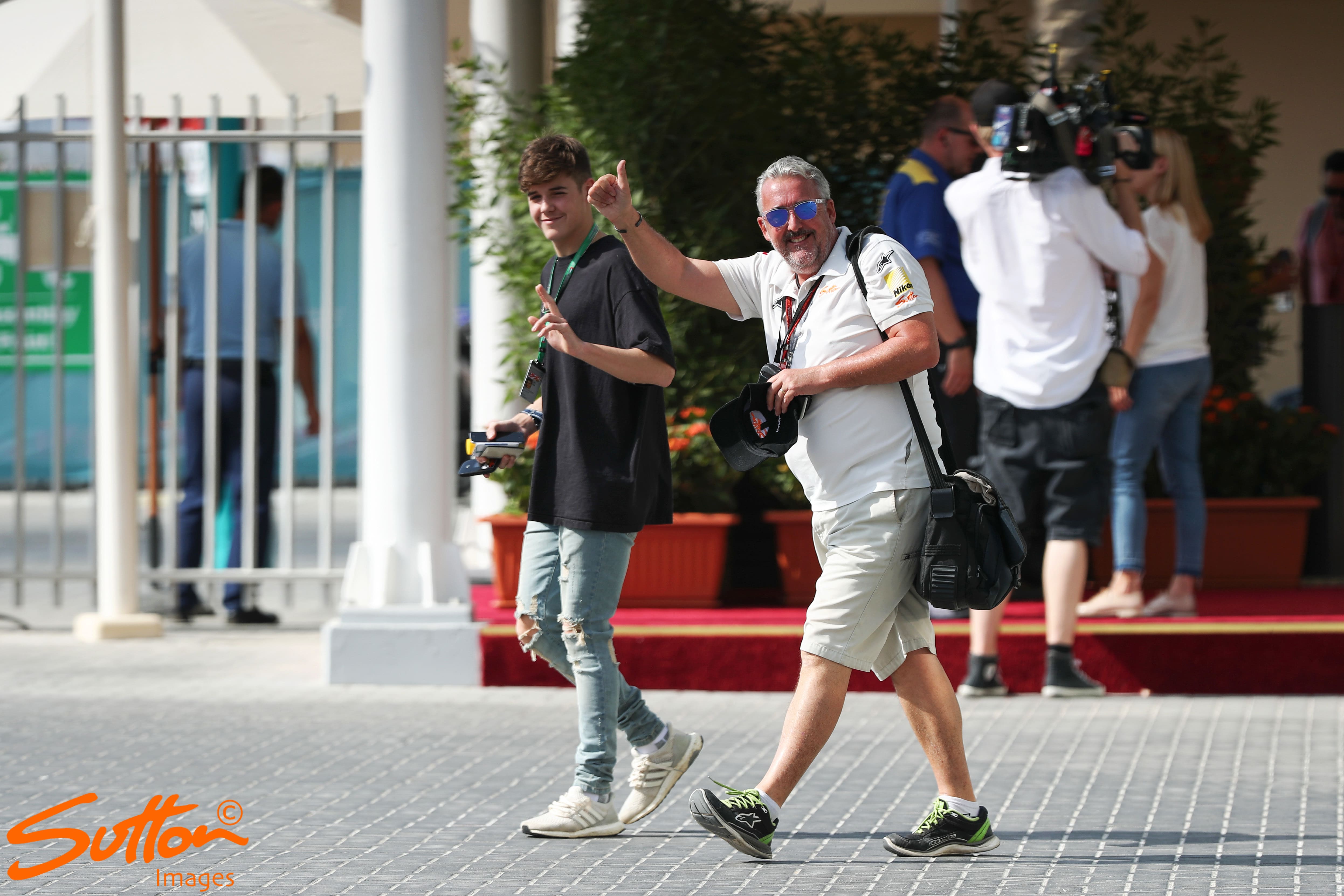


Article by Duurt Dijkman – Founder at MsportXtra | Photos by Mark Sutton – Photographer & founder of Sutton Images
In these days of social media, pictures and footage are easy to come by as most fans around the circuit have internet on their phones and will upload the events on their social media channels before you can as an official photographer. This wasn’t always the case and back in the days we would rely on those that were trackside, trying to give us the best idea of what was going on through pictures taken from the action, preferably from many different angles and parts of the circuit. Those pictures were taken by photographers that knew like no other how to capture the moments. Photographers are still enormously important in bringing the sport to the fans. True Trackside Legends if you ask me. One of them is the well known and respected photographer Mark Sutton. It so happens, he’s also a friend of MsportXtra so what better way to ask Mark if he’s up for a little Q&A.
“That year in 1983 I went to my first race shooting with my dad’s Practika camera”
Q1. You’ve been doing Formula 1 photography for many years now but what was it that made you pick up a camera and start in this line of work?
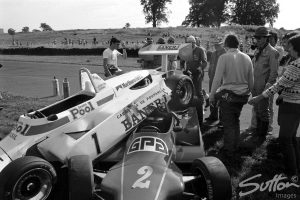 Mark – My dad was a huge motorsport fan and amateur photographer, so he took me to the races as a small boy and we visited our local track Oulton Park many times and he would pose me next to racing cars and drivers at this famous circuit near Manchester. I first picked up a camera at college in 1983, which I went to after school and learnt about lighting and the basics of a camera and how to shoot more still life with lights. And back then I also worked at a camera shop in Stockport on Saturdays, selling the latest new cameras and film. I also learnt how to talk and deal with people which really helped me and the college course also offered to work in a laboratory where they processed films and printed images from professionals. I got the chance then to work in a studio in Manchester called Kilham & Cartright, it worked on the KAYS catalogue which produced images of their latest products from bathrooms sets and room sets
 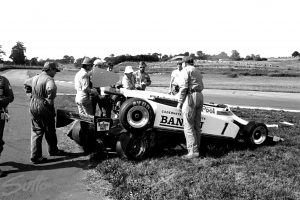 with full lighting, again I learnt so much and they offered me a full-time job as an assistant. That year in 1983 I went to my first race shooting with my dad’s Practika camera and few lenses at Oulton Park shooting the Formula 3 race which was a big battle between Ayrton Senna and Martin Brundle and I was in the right place and took the photo of them side-by-side. Senna crashed on top and Brundle was lucky, but these photos were used all over the world and still till this day! What a start and later on I covered the Senna test of the Toleman and McLaren both at Silverstone and I could feel a passion starting. In 1984 I worked in the studio and did one F1 GP at Brands Hatch and that was my first Grand Prix ever.
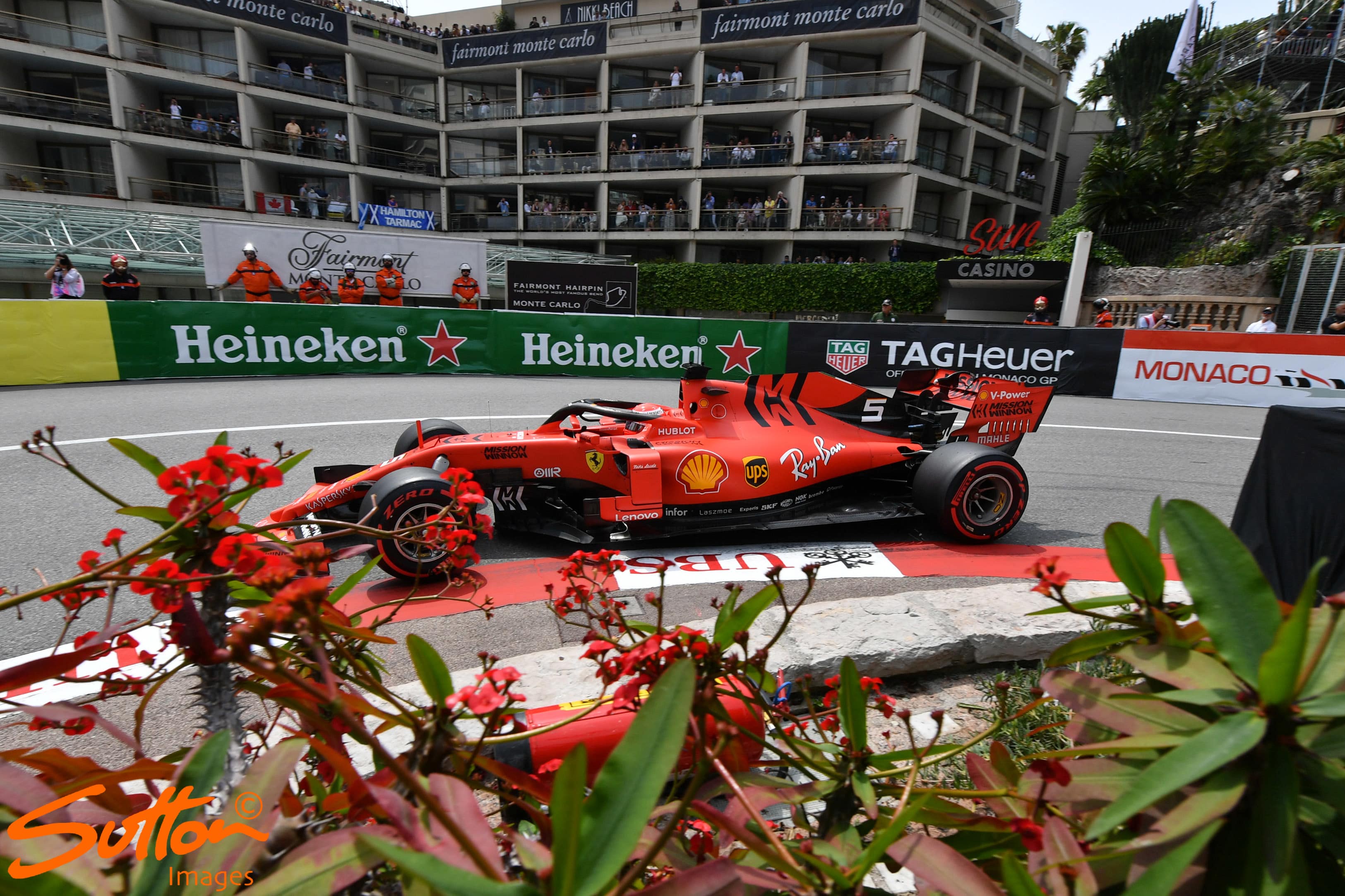
“Monaco is a very special place and my favorite of the year”
Q2. From a photographer point of view, do you have a favourite circuit where you can get the best access to take pictures?
Q3. F1 is one big circus and for those within it, all things are pretty much taken care of. But for the media, including yourself, things are often a bit different. How do you arrange your own accommodations for the weekend and do you have any tips for best spots?
Q4. I know you have a lovely family but being a photographer that travels along with F1, it must be hard sometimes. How do you combine your personal life with the professional life ?
Q5. If I’m correct, you’ve been doing this for 36 years and must have met a lot of different people. Being that close to drivers and other team members, did any friendships come out of your work? And what does such a friendship mean, even though we all know they also get out of bed, one leg at the time.
 Mark – Yes 1983 onwards, but I became professional in 1985 and then my break came in 1992. After six years of National racing and some International events I got a big break into F1, it was those earlier years that really helped me meet many amazing drivers who then came to F1. Herbert, Hill, Coulthard, Häkkinen, Franchitti, McNish they all started the same time and we grew up together, some of them are now presenters and commentators in F1, so I talk more to them now than then as they are more relaxed now. I keep in touch with most drivers, but I wouldn’t call them close friends as we all work together. They do appreciate great images and I think this is where the relationships works. Social Media has allowed images to be seen quicker and most drivers are on Instagram or twitter posting still images or videos. I prefer to stay independent at the moment and not work with one driver, so I take images of them all and post images that make me happy and funny sometimes, which I think gives the fans an inside story of the paddock/pits/track through my images.
Q6. You’ve travelled the world and seen some of the most iconic racing tracks. Which racing track do you love the most, as a person, not as a photographer? And why?
Mark – I loved Indianapolis in the US as I love the history and banking and also I covered Le Mans 1985-1993 when sports cars where at its best I think, Jaguar/Porsche/Mercedes/Mazda etc… these were the golden years with the old pits and classic old track with no chicanes, it was so much easier to cover with less restrictions and once you knew your spots they were easy to locate every year.
Q7. For your work, you take pictures of beautiful shiny cars, awesome settings and you capture the action while it happens. That said, you also face the downside of the sport and must have taken lots of photos from accidents and other awful situations. What was the worst one and what does that do to you as a person?
 Mark – Yes, I have been there in Imola 1994 with all the tragic events. It was my darkest weekend ever on my life except my mum and dad passing away of course, I still remember everything clearly. I was at Tosa corner during the start and safety car laps and then the sudden quiet atmosphere of the Tifosi who had seen the crash from the hill, I didn’t really know what had happened and should I move or not, I decided to stay and then the helicopter landed and I thought its bad and as it flew away the Tisofi clapped for minutes until it disappeared into the distance, it was eerie and of course later we found out the tragic news and like most people, I couldn’t believe it. I remember his life now through my images and I feel so lucky to have been there at some magical moments in his career from F3 – F1 and those famous victories.
“I started with black & white film, processing in a tank with chemicals and then printing in a tray watching the images appear”
Q8. As a trackside legend, people look up to you as being one of the pioneers in the sport we all love. Do you get many questions from newly photographers about what to do in certain situations or do you mentor others that want to learn the trade?
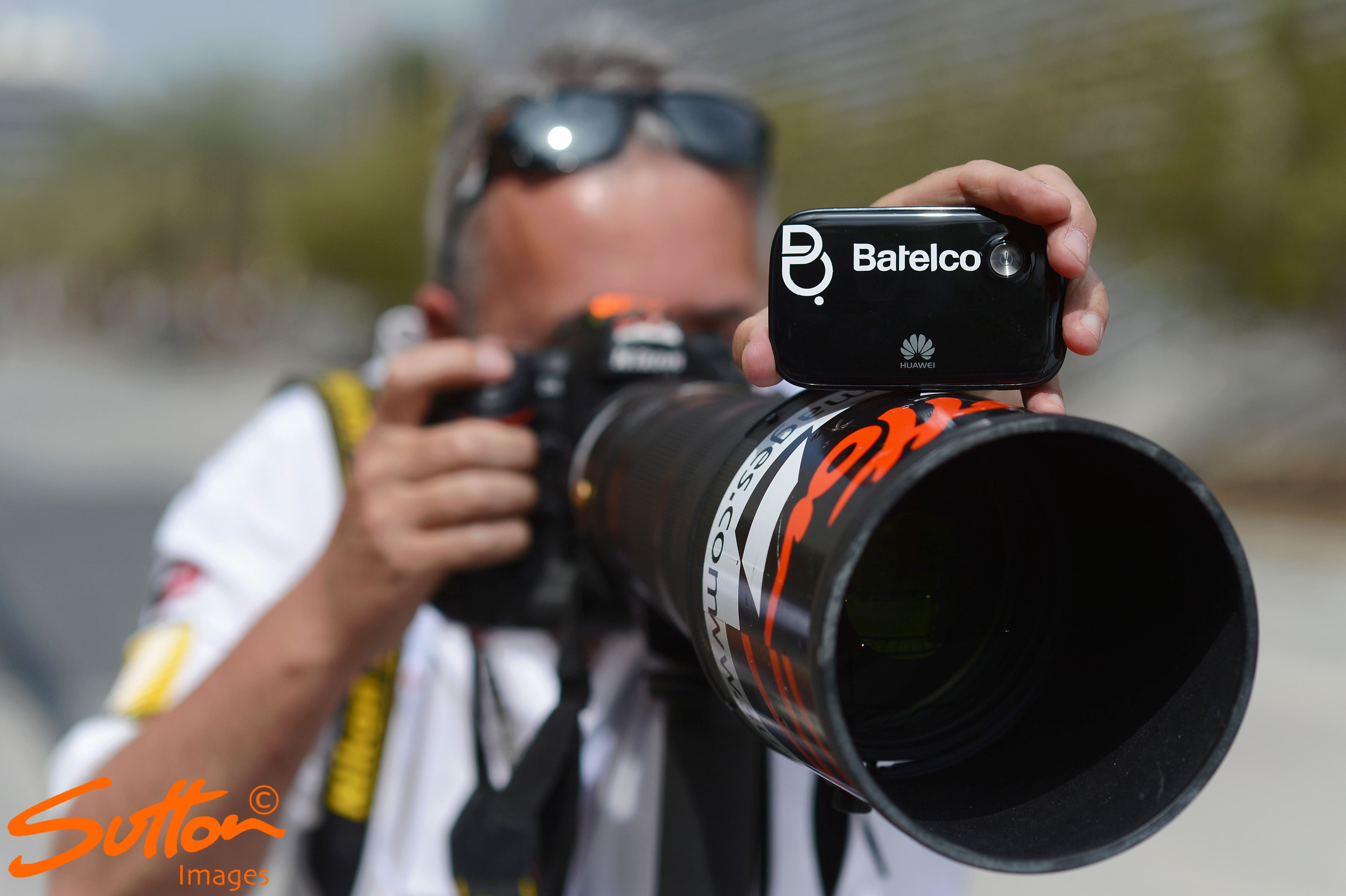
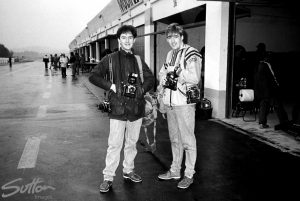 Mark – Yes I am always being asked ‘how can I be an F1 photographer’ and I say well I did 6 years apprenticeship and they don’t want to do that, they want it now. But I still suggest the same route personally, you do need the experience in my opinion. The F1 cars go at 200mph and to freeze cars at that speed you need experience no matter what other people say and also work on building your name and career. I started with black & white film, processing in a tank with chemicals and then printing in a tray watching the images appear in front of me, it gave me a huge buzz. Then I moved to colour and processing/duping and sending the photos all over the world, Sutton Images became the biggest agency in F1. Now it’s digital since about 2002 and I got my first camera at £10,000 which was crazy money, but I needed to stay ahead of the others and then I was the first to transmit images from the circuit directly from the camera in Bahrain 2014. Nowadays we send all images via 4G and with 5G coming things are going to change even more and I’m looking forward to the next step of technology #bringiton
Q9. With the uprise of social media, does that make your job harder? Or do you also use it to your advantage in finding out where to go for those important shots?
Q10. On a personal note. What has been your best photo?
 Mark – My best photo – The Flying Finn, Adelaide 1993 – Mika Häkkinen
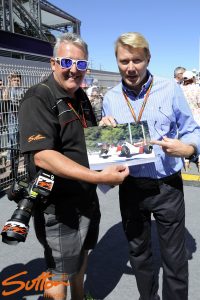 said I was shooting a slow-shutter speed. I kept quiet and said nothing at this point and wasn’t really sure what I had got, this was the film era and no one as that confident with artistic imagery or shooting at slow speeds, this was my second year in F1 and I didn’t want to shout about anything till I got the frame in my hand and then I could shout out loud!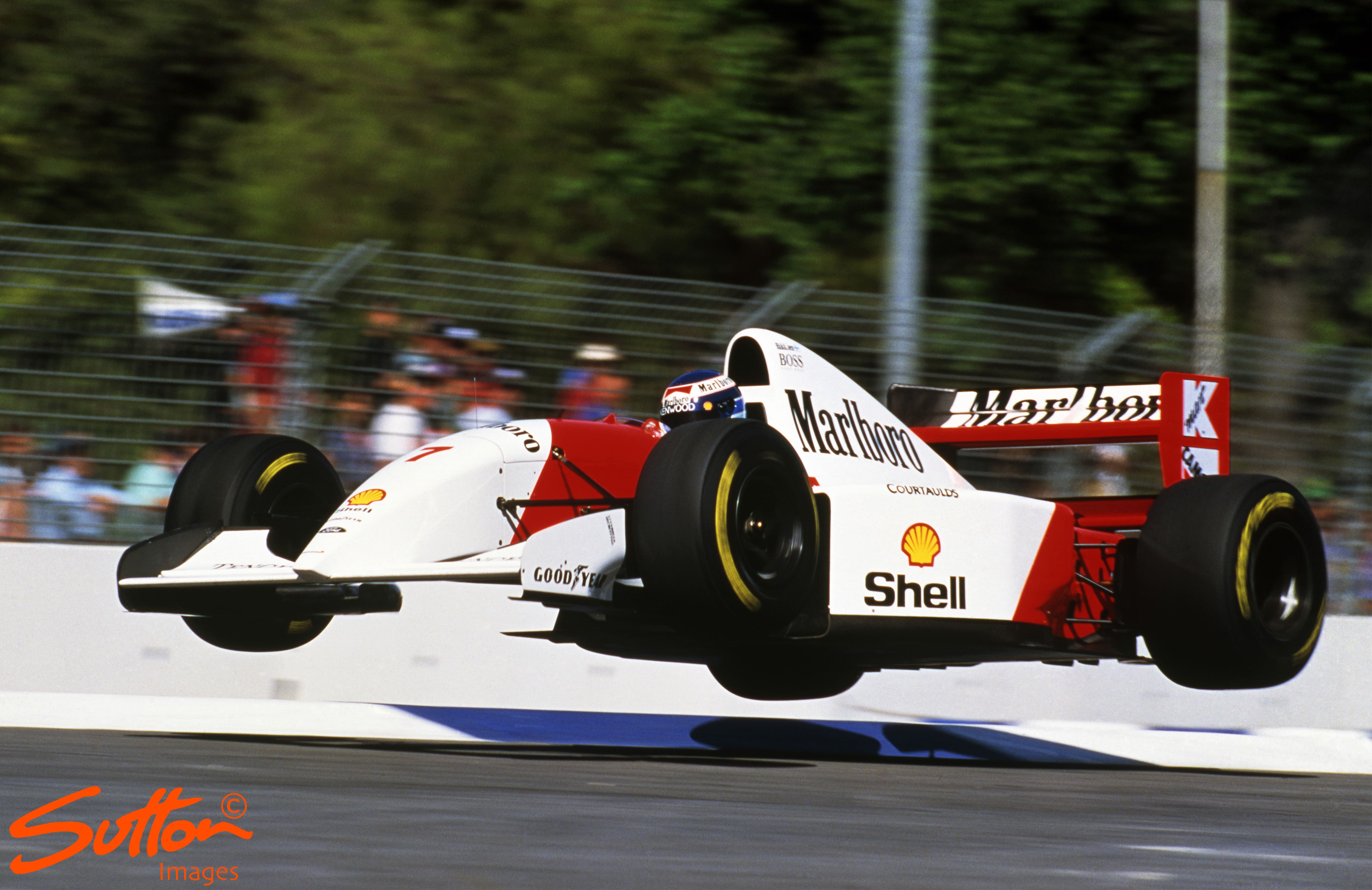
Q11. Final question. As a professional photographer, working in F1, is there anything you like to get off your chest? Changes that make your life easier? Certain safety aspects towards photographers? Tips for aspiring new motorsport photographers? Or anything unrelated to motorsport.
Mark – Its all about hard work as I said before, it looks the glamour job but its crazy hours and after 28 years in F1 its also about new circuits and countries. I love the fact we are going to Holland and Vietnam next year, this inspires me even more to continue and look for new angles. I worked on the Abu Dhabi circuit track building project 2007-2009 and this was just an amazing project to work on from desert Island to now one of the best circuits and facilities in the world, I love going back there every year knowing that I helped record the history and also I love the weather and people in Abu Dhabi, the welcome is amazing and will enjoy some days before the race relaxing and then the test and my last summer days before the season finishes. It’s a great place to end a crazy and busy season, but I still have a huge PASSION.
If you want to follow Mark on Twitter, check www.twitter.com/marksutton65 or on Instagram via www.instagram.com/F1SUTTON/.
“ Its all about hard work and PASSION”